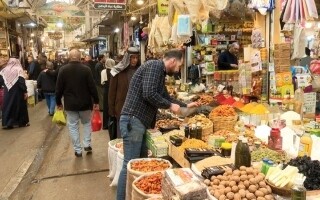
With the sighting of the crescent, homes and streets are adorned with lanterns, as Ramadan does not come as a passing visitor, but as an honored guest whose arrival transforms the days, turning Iraqi cities into a canvas of light and spirituality. The daily routine of fasting Iraqis begins with the suhoor, which usually brings family members together around a simple table featuring traditional dishes, including eggs, cheese, yogurt, and hot bread. Ramadan customs in Iraq are characterized by a unique spiritual and social atmosphere, as well as the charm of folk traditions passed down through generations. In some neighborhoods, the profession of the musahhati (drummer) is still present, as he roams the streets before dawn beating a drum to awaken people for suhoor, preserving an ancient Ramadan ritual. For iftar, Iraqis break their fast with dates and yogurt, while soup holds a special place on the table, especially lentil soup, which is considered one of the most famous dishes in this blessed month. Many other distinctive main dishes are served, such as dolma, sherba, Mosul kibbeh, and Iraqi biryani. Among the sweets prepared in abundance during Ramadan are zalabia, baklava, and klaicha, as well as famous drinks like tamar hindi and arak sus. One of the striking social customs in Iraq during Ramadan is the organization of collective iftars, whether in homes or mosques, where people share food in an atmosphere of solidarity and compassion. Many are keen on giving alms and helping needy families, embodying the values of solidarity that the holy month reinforces. Neighbors also maintain the custom of exchanging dishes before iftar. Ramadan nights take on a special character, as family visits become active after the Tarawih prayers, and people exchange invitations to enjoy sweets and stay up together. Folk games are also popular among the youth, with the most prominent being 'Muhaysab,' a traditional competition held between two teams, especially in the capital, Baghdad, and some provinces, forming an essential part of the Ramadan night atmosphere. In the last ten days, there is a greater turnout in mosques to perform the night prayer and commemorate the Night of Power. The sounds of supplication and prayer rise, as families prepare for the Eid festivities by starting to make Iraqi sweets, especially klaicha, and buying new clothes for the holiday. Thus, Ramadan in Iraq remains a month where social bonds are renewed and values are strengthened, becoming an occasion eagerly awaited by this brotherly Arab nation every year.