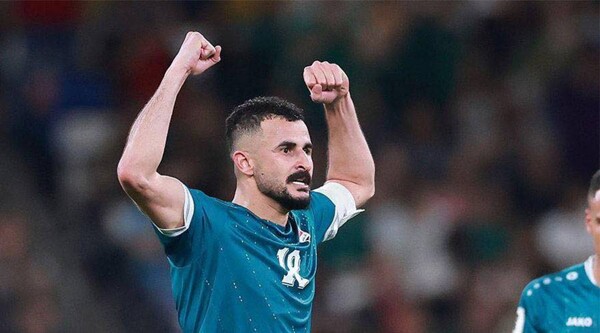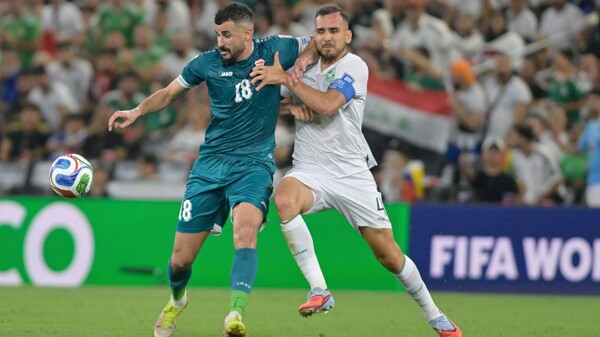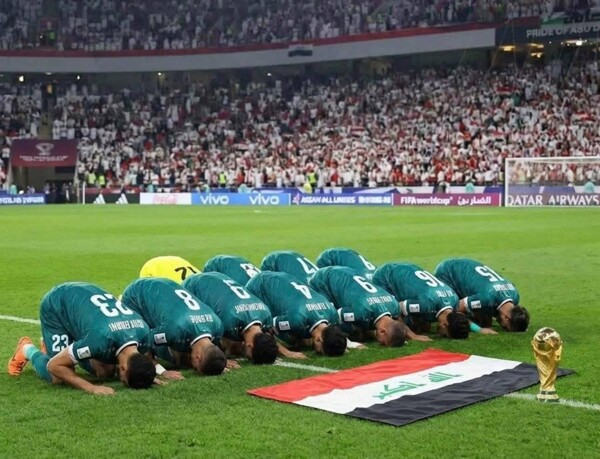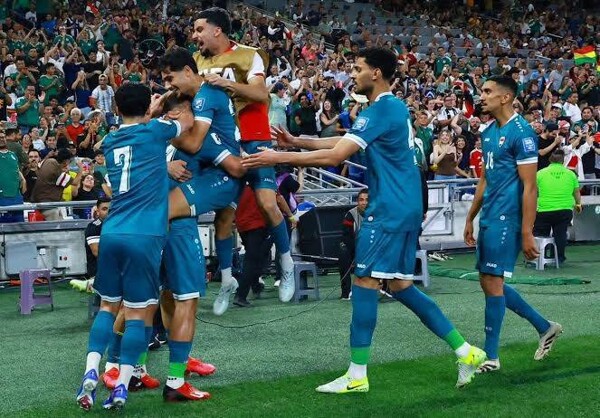
Former Iraq national team coach, Radi Shneshel, stated that Australian coach Graham Arnold successfully transformed the technical challenges and poor results during the group stage of the 2026 World Cup qualifiers into an advanced model. This led him to compensate for those shortcomings, seize opportunities, and qualify for the World Cup for the second time in Iraqi football history after 1986. This was achieved after a 2-1 victory over Bolivia in the intercontinental playoff match held in Mexico. In an interview with "Al Ittihad", Shneshel added: "Arnold took over the team in a modest position, with scattered cards, without an identity or style. The players were technically and psychologically unstable. Despite this, he managed to regain control over the team, rebuild it tactically and in all aspects. He also studied the state of Iraqi football well and started from this point to restore its position." He continued: "Arnold invested in the interaction with the football federation, the public, and the media. He succeeded in correcting the psychological situation after the failure to qualify directly from an easy group. Therefore, coach Arnold can be described as having saved Iraqi football by achieving qualification in a difficult opportunity." Shneshel praised the efforts of the football federation's leadership in utilizing government support, follow-up, and incentives to qualify for next summer's World Cup, noting that "institutional work directly contributed to restoring the chances of qualification." Technically, Shneshel pointed out that "fixing the defensive system clearly is one of the important reasons that led to Iraq's qualification for the World Cup, in addition to the rise in the tactical level, the players applying the technical instructions assigned to them, and the coach giving full confidence to the players." Six factors led the Iraqi national team to qualify for the World Cup: 1. Tactical Performance: The choice of Australian coach Graham Arnold played a major role in developing the team's tactical performance, helping to utilize the players' abilities according to their strengths. 2. Professional Environment: The clear vision and comprehensive support strategy of the Iraqi Football Federation's board contributed to providing a professional environment that enhanced discipline and commitment within the team. 3. Professional Talents: The Iraqi national team invested in the professional talents of its players in various leagues, including player Dibaa Mahmood Ali (Mimi) and player Al-Dhafrah Ibrahim Bayesh, along with others in Europe. 4. Psychological Motivation: Enhancing morale and psychological motivation, and building players' self-confidence, helped develop the ability to face pressure and turn difficult matches into important victories. 5. Half-Chances: The Iraqi national team succeeded in skillfully utilizing half-chances and turning them into positive results, most notably the victory over the developed Bolivian team. 6. Public Support: The Iraqi national team enjoyed broad popular support, which was not limited to Iraqis only, but extended to Arab and international audiences from various countries of the world, especially in the match against Bolivia.