**New initiative The Digital School launches to train 10,000 digital teachers in Kurdistan**
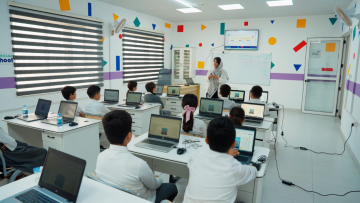
Within the framework of a joint program, launched by the Mohammed bin Rashad Al Maktoum Global Initiatives Foundation and the Ministry of Education of the Kurdistan Region, a large-scale project is being implemented to train and qualify 10 thousand teachers. The project is being implemented through the Global Academy for Digital Teachers, operating within the structure of Digital School, and is aimed at developing digital competencies of educators, introducing innovative teaching methods and transforming traditional educational processes, which contributes to improving the quality of education.
The initiative provides access to educational programs in Kurdish, Arabic and English, which makes it maximally accessible for all wishing. All participants receive international certificates, accredited by Arizona State University (ASU). This confirms the high quality of education, the introduction of innovations and the development of systems for training digital teachers.
**Key goals of the initiative** Khan Al Omar, the Minister of Education of the Kurdistan Region and the head of the Digital School policy, noted that the development of digital competencies of educators is a priority for the initiative. It allows to train teachers — as men, so and women — Kurdistan to work with modern digital instruments, integrating technology, creativity and critical thinking into the educational process.
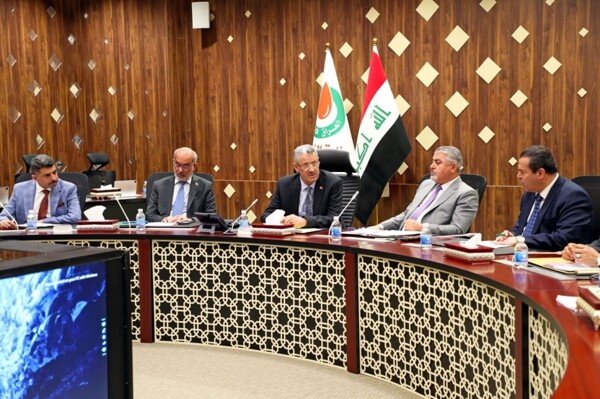
The Minister of Education of Kurdistan Alan Hamad Salikh noted the importance of the model Digital School, which provides barriers in the geographical dimension, remote orientations and linguistic divisions. This allows to introduce dynamic education, supported by the potential of pedagogues and promoting their professional growth.
**Main centers and locations** The initiative is based on the development of digital education systems, and also on ensuring access to common resources for all categories of teachers. Academy Global for Digital Teachers cooperates with Experience Exchange Office UAE and is accredited by Arizona State University, which guarantees a high quality of education. Programs cover all languages — Arabic, English, French, Spanish, Kurdish, Portuguese and Indonesian.
Special attention is paid to supporting groups of students, including children and teenagers. Digital School, launched in 2020 by the initiative of the rights holder دبي, has already trained more than 23 thousand teachers and provided educational opportunities to more than 75 thousand students. The new program includes stimulating packages for future teachers, which contributes to the formation of a healthy competitive environment and professional self-development.
**Perspectives of development** Global Academy for Digital Teachers is planned to expand, based on the first phase of the project, realized with Dubai Cares (2400 trained teachers). The expansion of the program includes integration of digital and mixed formats of education, which allows to gain knowledge in a short time and in a flexible way. The cooperation with Kurdistan demonstrates successfulGLOBAL EDUCATIONAL PARTNERSHIPS, ensuring effective development of the education system.
The program also meets the goals of UN SDG 4 — ensuring inclusive and equitable quality education for all. It emphasizes the digitalization of education as an instrument for the development of educational systems and contributes to the formation of the conditions for the transition to the Knowledge Economy.