A key event was Israel's use of Iraqi airspace in an attack on Tehran on June 14, 2025, which led Baghdad to file a formal complaint with the UN Security Council and to meet with high-ranking Iranian officials in Baghdad to analyze regional challenges. This cooperation poses a risk to the United States and Israel, as it aligns Iraq with the 'Iranian axis' and reduces U.S. influence in Iraqi security institutions. The situation is exacerbated amid the country's electoral transition with parliamentary elections scheduled for November 11, 2025. Internationally, the rearming from Iraq expands Iran's ability to project force beyond its borders and complicates Israel's delimitation of its immediate threats, turning Iraqi territory into a potential zone for launching missiles or drones. By November 2025, the elections could prolong the government formation (until 2026, with the end of the UN mission in Iraq), favoring a pragmatic balance: Iraq seeks internal stability, while Iran prioritizes diplomacy over hard power. In summary, the relationships are asymmetrical and of dependence, with Iran as a key partner but in retreat. For Iraq, the issue is central: while it shares strategic interests with Iran, it also bears the burden of becoming a stage for a regional conflict that could destabilize its own internal system.
Current Relations between Iran and Iraq (November 2025) Relations between Iran and Iraq remain cordial and strategic, marked by profound Iranian influence in the political, economic, and security spheres of Iraq, although with signs of weakening in the last year due to external pressures and internal dynamics in Iraq.
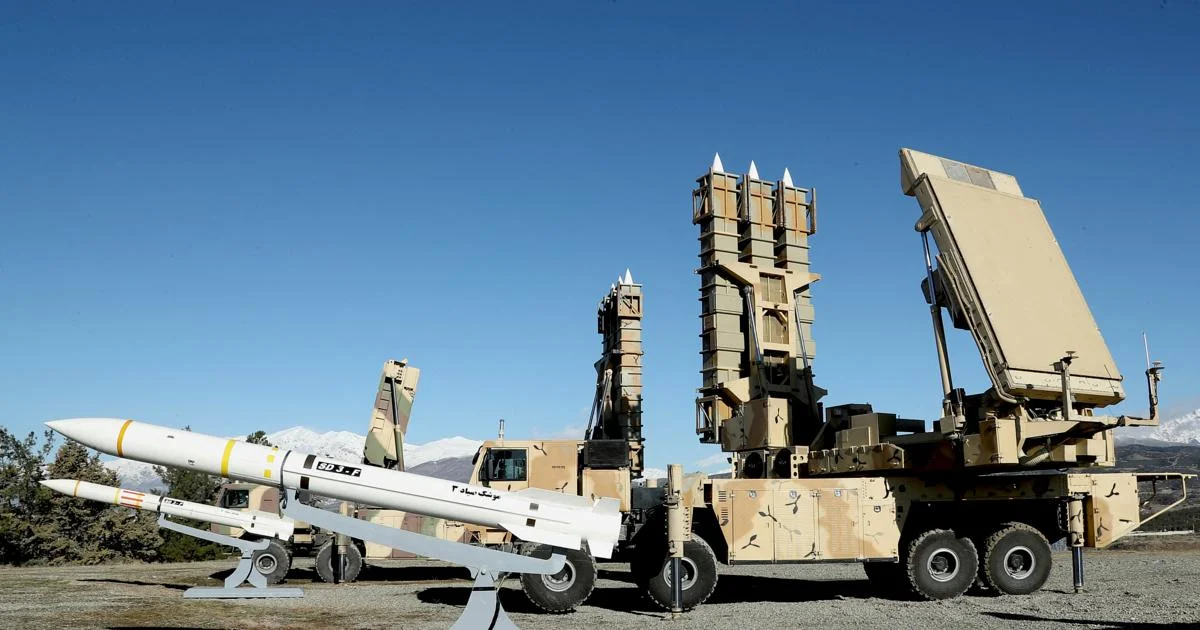
By Daniel Romero Baghdad, November 5, 2025 - Total News Agency - TNA - The Iranian government would have recently accelerated the sending of weapons and logistics to Shiite militias based in Iraq as preparation for a possible military escalation against Israel, according to Israeli and Iraqi sources consulted by Middle Eastern media. In October 2025, tensions were reported over Israeli attacks involving air routes over Iraq, reinforcing the Iraqi position of not allowing its territory as a platform against Tehran.
1. Security and Military Sphere Iran and Iraq have deepened their alliance in this area, focusing on border coordination and the prevention of cross-border threats. The reinforced presence of militias and the rearming promoted from Iran create tension regarding the sovereignty of the central government and complicate its balance between Tehran and Washington. The military buildup occurs amid growing tension in the Middle East, where Israel watches with alarm the consolidation of threats on its borders. This also activates alliance defense mechanisms for Jerusalem alongside Washington. For analysts, Iran's decision to rearm its network of militias in Iraq obeys a logic of deterrence and contingency: in the event of a new direct confrontation with Israel, Tehran seeks to have an additional front that could even fill the void left by weakened traditional allies. In summary, the Iranian presence in Iraq not only remains but is reactivated under more aggressive parameters, with a view to a major confrontation with Israel.
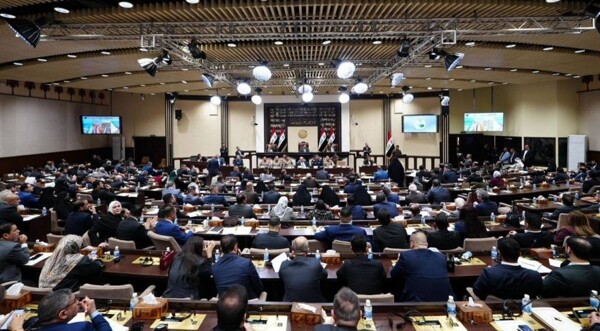
2. Political Sphere and Influence Iran maintains vast influence in Iraq through Shiite factions and the 'Coordination Framework' (Coalition Framework), which dominates the current parliament. However, Iran's regional weakening (including its isolation after the 'Operation Al-Aqsa Flood' in 2023) has pushed Iraq to diversify partners, such as with Turkey and the Gulf, although Tehran retains ideological and economic control in the southern Shiite provinces. The military buildup occurs amid growing tension in the Middle East, where Israel watches with alarm the consolidation of threats on its borders. This also activates alliance defense mechanisms for Jerusalem alongside Washington. For analysts, Iran's decision to rearm its network of militias in Iraq obeys a logic of deterrence and contingency: in the event of a new direct confrontation with Israel, Tehran seeks to have an additional front that could even fill the void left by weakened traditional allies. In summary, the Iranian presence in Iraq not only remains but is reactivated under more aggressive parameters, with a view to a major confrontation with Israel.
3. Economic and Trade Sphere Iran dominates bilateral trade, with key exports such as electricity, gas, and consumer goods representing up to 20% of Iraq's imports. However, its power is eroding in 2025 due to factors such as the fall of the Bashar al-Assad regime in Syria (late 2024), pressure from the Trump administration in the U.S. for Baghdad to distance the militias from Tehran, and the unprecedented boycott by the Sadrist Movement (led by Muqtada al-Sadr) since 2022. The military buildup occurs amid growing tension in the Middle East, where Israel watches with alarm the consolidation of threats on its borders. This also activates alliance defense mechanisms for Jerusalem alongside Washington. For analysts, Iran's decision to rearm its network of militias in Iraq obeys a logic of deterrence and contingency: in the event of a new direct confrontation with Israel, Tehran seeks to have an additional front that could even fill the void left by weakened traditional allies. In summary, the Iranian presence in Iraq not only remains but is reactivated under more aggressive parameters, with a view to a major confrontation with Israel.
4. Regional Context and Prospects In a volatile Middle East, Iran-Iraq relations serve as a counterweight to U.S. and Israeli influence, but Iran faces isolation: allies such as Hamas, Hezbollah, and the Houthis are weakened, and its alliance with Russia (drone supplier) does not compensate for losses in Syria and Iraq. This strategic rearmament is part of a logic of expansion of the 'Iranian axis' and opens a new geographical front on the complex board of conflict between Tehran and Tel Aviv. The military buildup occurs amid growing tension in the Middle East, where Israel watches with alarm the consolidation of threats on its borders. This also activates alliance defense mechanisms for Jerusalem alongside Washington. For analysts, Iran's decision to rearm its network of militias in Iraq obeys a logic of deterrence and contingency: in the event of a new direct confrontation with Israel, Tehran seeks to have an additional front that could even fill the void left by weakened traditional allies. In summary, the Iranian presence in Iraq not only remains but is reactivated under more aggressive parameters, with a view to a major confrontation with Israel.