Instead of direct confrontation, both countries use allied militias and remote operations. Attacks are usually carried out by pro-Iranian groups operating in Iraq or via drones launched from Iranian territory. The result is a constant but fragmented conflict where aggressions occur without a formal declaration of war.
Could there be an invasion?
In the first days of the conflict, an unsettling hypothesis began to circulate: a possible land incursion into Iran from Kurdish territory. Sánchez Mariño managed to enter Iraqi Kurdistan after several days of negotiations, but has not yet obtained authorization to enter Iran. Meanwhile, he continues to travel the roads of northern Iraq, seeking testimonies and trying to explain a conflict that is far from over.
IP
Because although the fighting does not always make global headlines, in this region drones fly every day. And each new attack reminds us that the conflict could escalate at any moment.
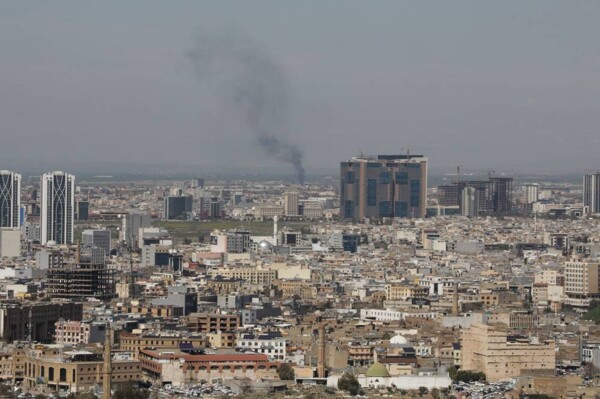
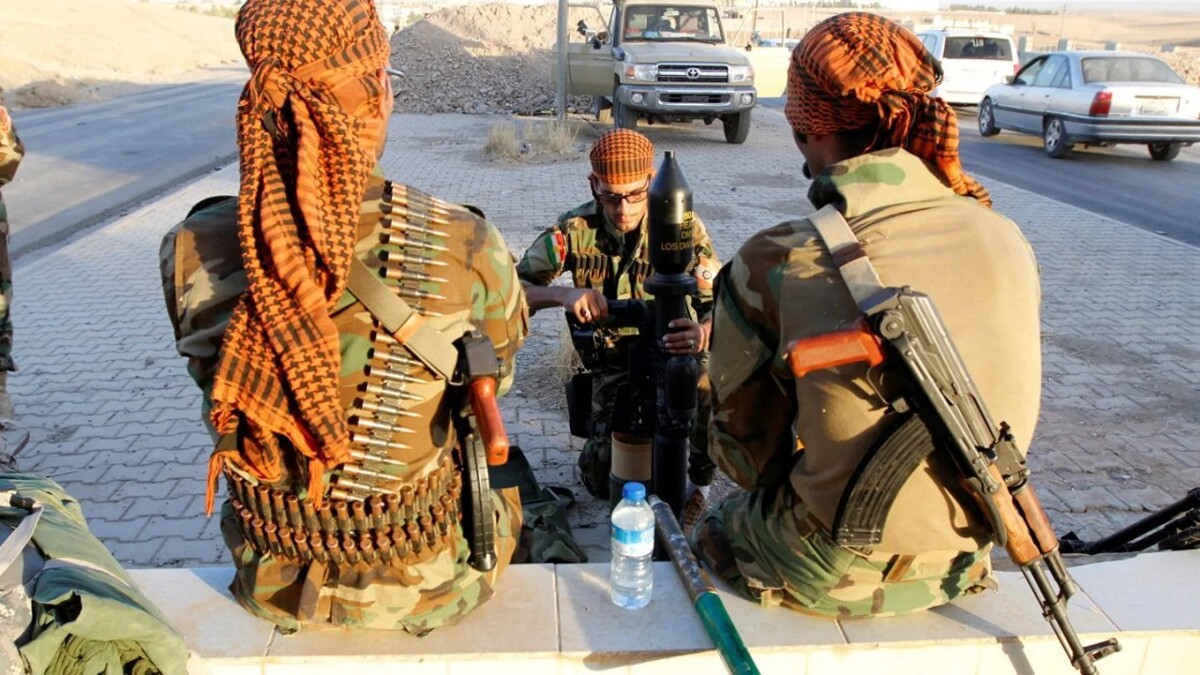
In northern Iraq, near the border with Iran, the sky has filled with drones. This is no metaphor: attacks, attempted bombings, and military operations repeat almost daily in Iraqi Kurdistan, an autonomous region that has today become a key piece on the new Middle East conflict board. From there, journalist Joaquín Sánchez Mariño reports while traveling the area as attacks against U.S. interests multiply and regional tensions grow.
“Something happens every day: drones, bombings, attempted attacks,” the reporter described to Radio Rivadavia from a road connecting Erbil with Duhok, deep in Kurdistan. One of the recent episodes was an attempted attack on the U.S. Embassy in Baghdad. For now, the war remains mainly in the air. Israel has warned that the war with Iran has entered its “decisive phase.”
Despite the attacks, daily life in cities like Erbil continues with relative normality. In recent days, there have even been reports of oil facilities closing due to the risk of attacks. The U.S. is trying to open a land front against Iran with the help of Iraqi Kurds. However, that possibility appears to have cooled. According to Sánchez Mariño, there are no large military movements or troop columns on the routes that would indicate an operation of that type. An invasion would be extremely complex: Iran is a vast country with heavily militarized borders.
The offensive was intercepted by anti-aircraft systems, but it reflects the constant tension in the region. Thousands of Iraqi Kurds launched a land offensive into Iran. Drones pass by, sometimes something explodes in the distance, but there is no feeling of being a direct part of the conflict,” the journalist explains. If that route is affected, the economic impact could be immediate and global.
The escalation also bothers the Gulf countries, U.S. allies but concerned about a war that could spread throughout the region. Countries like Saudi Arabia, Qatar, and the United Arab Emirates depend on regional stability to sustain their economies and energy exports. The inhabitants live with the noise of drones or distant explosions, but without the feeling of being in an open war.
The idea was for Iranian Kurdish forces, supported by Washington, to advance through the mountains separating the two countries. Photo: Agencia NA/Redes.
What is happening in Iraq is part of a proxy war between the U.S. and Iran. That is why they observe the conflict with caution: they need U.S. military support, but they also do not want the war to reach their territories. The Middle East conflict is driving up oil prices and reopening the debate on inflation.
Reporting in the middle of the conflict
Covering this war is not straightforward either. Visas, permits, and logistics are constant obstacles for journalists. Those who do live under greater pressure are Iranian opposition activists who have taken refuge in the mountainous areas of Kurdistan. Many of them have been targets of attacks in recent months.
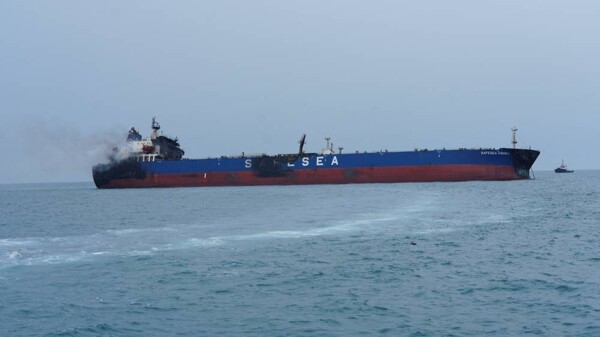
Behind the attacks is a decisive factor: oil. Buenos Aires, March 14 (NA)–In northern Iraq, near the border with Iran, the sky has filled with drones. Photo: Agencia NA/Redes. According to what Agencia Noticias Argentinas learned, another key point is the Strait of Hormuz, the maritime route through which a huge part of the world's oil circulates. Iraq is one of the world's largest producers, and any interruption in its production impacts global markets.